


-

Add: HeBei ShengShi HongBang Cellulose Technology CO.,LTD.
-

Email
13180486930@163.com -

CONTACT US
+86 13180486930
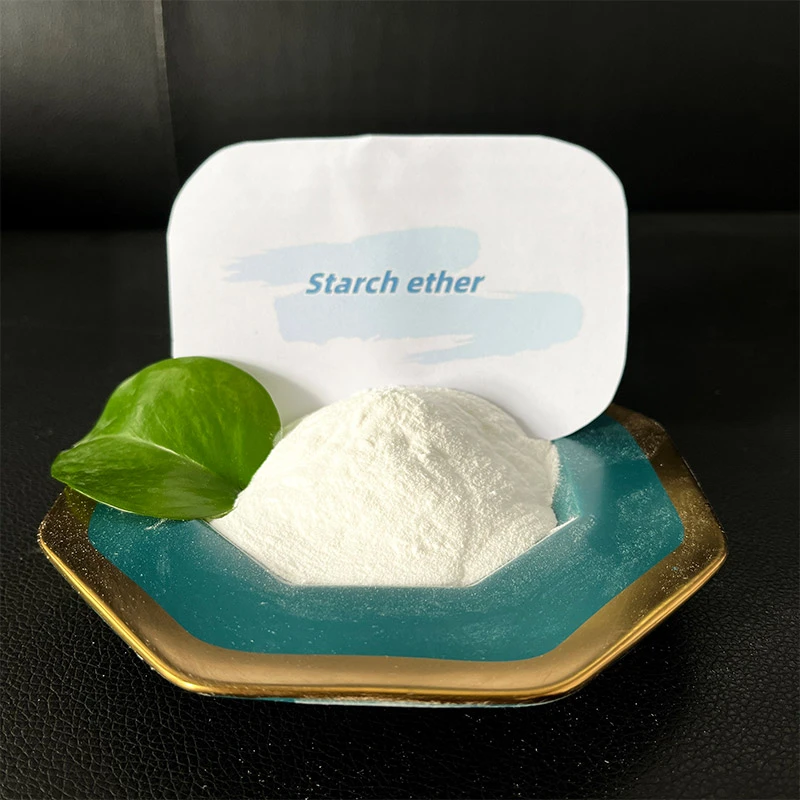

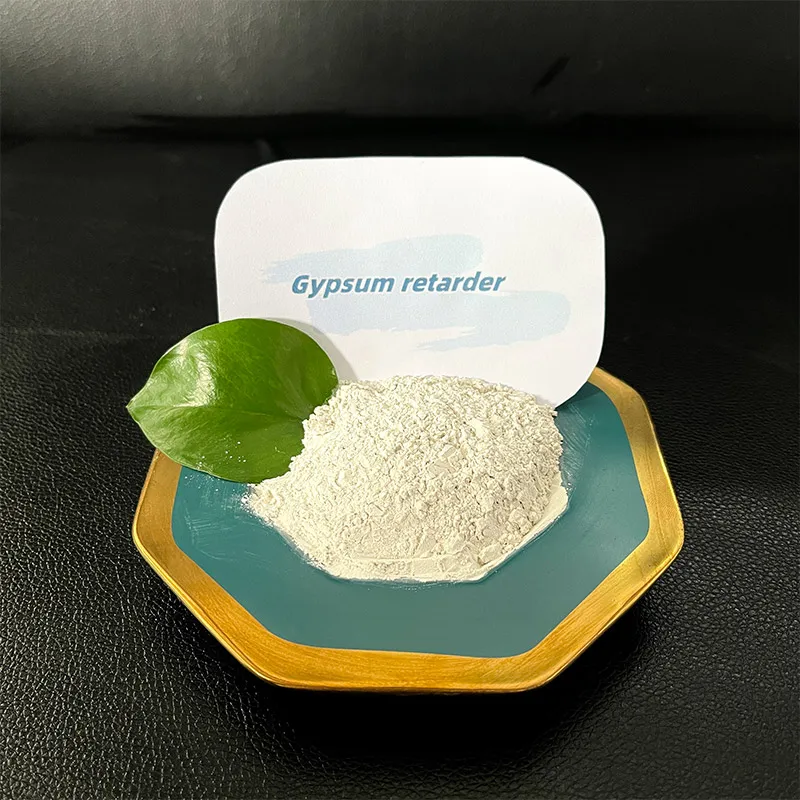




plaster retarder,gypsum retarder,gypsum plaster retarder,gypsum retarder chemical,extra time plaster additive is a key solution in the manufacturing industry, specifically within Chemical raw material and chemical product manufacturing industry and Manufacturing of chemical products for construction. This article explores how HeBei ShengShi HongBang Cellulose Technology CO.,LTD. supports professionals with durable, high-performance products, and explains why this product is an ideal choice for businesses in these sectors. Table of Contents plaster retarder,gypsum retarder,gypsum plaster retarder,gypsum retarder chemical,extra time plaster additive Overview Benefits & Use Cases of plaster retarder,gypsum retarder,gypsum plaster retarder,gypsum retarder chemical,extra time plaster additive in Manufacturing of chemical products for construction Cost, Maintenance & User Experience Sustainability & Market Trends in manufacturing Conclusion on plaster retarder,gypsum retarder,gypsum plaster retarder,gypsum retarder chemical,extra time plaster additive from HeBei ShengShi HongBang Cellulose Technology CO.,LTD. plaster retarder,gypsum retarder,gypsum plaster retarder,gypsum retarder chemical,extra time plaster additive Overview A gypsum retarder—also called a plaster retarder, gypsum plaster retarder, or extra time plaster additive—is a specialty admixture used to control the hydration of calcium sulfate hemihydrate and anhydrite. By moderating nucleation and crystal growth, a gypsum retarder chemical helps formulators extend workable time without sacrificing final set integrity, enabling precise batching, mixing, transportation, and placement across automated and manual processes. For B2B decision makers, the relevance is clear: reliable set-time control underpins line stability, product uniformity, and downstream scheduling. Typical usage occurs at low dosages, adjusted to gypsum type, temperature, and co-additives (e.g., cellulose ethers, starch ethers, and redispersible powders). HeBei ShengShi HongBang Cellulose Technology CO.,LTD. manufactures consistent, construction-grade gypsum retarders designed for easy dispersion in dry-mix or wet systems. Their product engineering focuses on predictable set profiles, compatibility with common binder and filler packages, and stable performance across seasonal temperature swings—critical for high-throughput board lines, premix plasters, and precision interior finishing compounds. In practice, adopting a well-formulated gypsum retarder can reduce rework associated with flash setting, smooth the handoff between mixing and application, and enhance quality control by tightening batch-to-batch variability. These are essential levers for operational excellence in the Manufacturing of chemical products for construction. Benefits & Use Cases of plaster retarder,gypsum retarder,gypsum plaster retarder,gypsum retarder chemical,extra time plaster additive in Manufacturing of chemical products for construction In construction-chemicals manufacturing, a high-quality gypsum retarder is deployed across machine-applied plasters, hand-applied plasters, jointing compounds, gypsum-based wall putties, self-leveling underlayments (gypsum-based), and gypsum block or panel production. The primary function is to extend open time and pot life, securing a controlled set that aligns with production takt times, transport distances, and site conditions. Key advantages include: Predictable set-time extension that scales with dosage, supporting precise production planning. Strong compatibility with cellulose ethers (such as HPMC) for synergistic water retention and workability, maintaining trowelability and finish quality. Low impact on final mechanical performance when used at recommended dosages, helping preserve compressive and flexural strength. Clean mixing behavior and fast wet-out to minimize lumps and improve dispersion in dry-mix plants. HeBei ShengShi HongBang Cellulose Technology CO.,LTD. brings deep formulation know-how to help R&D teams tune retarder dosage alongside rheology modifiers and plasticizers. Their technical support focuses on matching the retarder profile to gypsum type (alpha/beta hemihydrate or anhydrite), ambient temperature, and desired application window—ensuring the extra time plaster additive boosts overall line efficiency and application consistency. Cost, Maintenance & User Experience Total cost of ownership for a gypsum retarder chemical is driven by dosage efficiency, supply consistency, and the operational value of extended workability. When the right retarder is paired with a stable cellulose ether package, manufacturers often experience smoother batching, fewer interruptions due to premature set, reduced scrap, and improved utilization of labor and equipment. These effects can translate into favorable ROI through reduced rework and better throughput. From a handling perspective, modern retarders are designed for clean dosing in automated systems or manual addition to dry blends. Storage requirements are straightforward—keep the product dry and sealed to maintain activity—so “maintenance” is minimal. Feedback from construction-chemical producers often highlights enhanced pumpability, improved edge-to-edge finish, and tighter process control, especially in climates where temperature fluctuations previously led to variable set times. HeBei ShengShi HongBang Cellulose Technology CO.,LTD. supports procurement and operations by offering technical guidance, application notes, and data-driven tuning recommendations. This ensures the user experience—from lab trials to plant scale-up—is predictable, making the transition to the selected gypsum retarder seamless for both production teams and applicators. Sustainability & Market Trends in manufacturing The construction sector is accelerating toward low-waste, high-efficiency processes. Within gypsum systems, a reliable gypsum retarder helps reduce jobsite and factory scrap by providing a consistent working window, enabling right-first-time application and fewer discarded batches. In dry-mix environments, stable retarders support lean manufacturing and better resource utilization across packaging, logistics, and application. Market trends also include the growth of mechanized plastering, modular interior systems, and digitized plant control. Retarders must therefore deliver reproducible performance across automated dosing, variable ambient temperatures, and diverse regional raw materials. HeBei ShengShi HongBang Cellulose Technology CO.,LTD. aligns with these trends by engineering gypsum plaster retarders that integrate smoothly with modern formulations (HPMC, RDP, fillers) and by providing documentation such as Safety Data Sheets and technical guidance to help customers meet local safety and indoor-air requirements. As environmental expectations rise, choosing a well-tuned extra time plaster additive is a practical pathway to lower waste and better productivity—outcomes that bolster both sustainability and profitability in Manufacturing of chemical products for construction. Conclusion on plaster retarder,gypsum retarder,gypsum plaster retarder,gypsum retarder chemical,extra time plaster additive from HeBei ShengShi HongBang Cellulose Technology CO.,LTD. For manufacturers and contractors, a high-performance gypsum retarder is more than a set-time modifier—it is a process stabilizer that safeguards quality, throughput, and labor efficiency. HeBei ShengShi HongBang Cellulose Technology CO.,LTD. delivers dependable plaster retarder solutions that integrate with modern gypsum formulations, offering predictable open time, clean mixing, and consistent results across seasons and sites. Ready to optimize your gypsum systems with a proven extra time plaster additive? Contact us: email: 13180486930@163.com. Visit our website: https://www.sshbhpmc.com
- 40000tons

Production
- 20+years

Experience
- 5000+㎡

Acreage

-

Plastering retarders, essential additives in the construction industry, have revolutionized how builders and contractors approach plaster application. These compounds, though small in volume, play a crucial role in enhancing the efficiency and quality of plastering projects. Here we delve into the significance, application, and benefits of using plastering retarders, backed by professional insights and industry expertise. Understanding the Role of Plastering Retarders Plastering retarders are chemical additives designed to slow the setting process of gypsum plaster. This controlled setting time allows for extended workability and ensures that the plaster remains pliable for longer durations. This becomes particularly beneficial in large-scale projects where complex surfaces require meticulous application without the pressure of rapid drying. The Expertise Behind Plastering Retarders The development of plastering retarders involves a blend of chemistry and construction technology. Experts in the field understand the delicate balance needed to decelerate the chemical reaction of plaster without compromising its structural integrity. The formulation process involves rigorous testing and quality assurance to meet the specific demands of different environmental conditions and project requirements. Benefits of Using Plastering Retarders 1 . Enhanced Workability By providing additional time for application, plastering retarders offer contractors the flexibility to achieve smooth, even surfaces. This is critical in enhancing the aesthetic and functional qualities of interior and exterior walls. 2. Reduction of Waste With elongation in setting time, plaster wastage is minimized. This is both cost-effective and environmentally friendly, making it an attractive option for sustainable construction practices. plastering retarder 3. Improved Structural Integrity Proper application and curing of plaster via retarders can result in fewer cracks and defects. This ensures a durable and lasting finish that meets and exceeds standard quality benchmarks. 4. Versatility Across Projects Whether in residential, commercial, or industrial settings, plastering retarders can be customized to align with the specific needs of each project, accommodating varying climatic and surface conditions. Real-Life Application of Plastering Retarders A case study involving a large commercial project illustrates the practical benefits of using plastering retarders. In this scenario, a team of contractors faced the challenge of plastering an expansive, intricate facade under high-temperature conditions. With the strategic use of plastering retarders, the team successfully managed to extend the setting time, allowing them to execute the plastering with precision. The quality of the finished surface was exemplary, demonstrating superior smoothness and consistency, which significantly enhanced the visual appeal and durability of the building. Building Trust Through Quality The importance of using reputable products cannot be overstated. It is paramount to choose plastering retarders from established manufacturers known for their quality and reliability. Trusted brands provide not just a product, but a comprehensive support system that includes product information, safety data, and technical assistance to ensure optimal application and results. Conclusion Plastering retarders serve as a testament to the advancements in construction technology, offering solutions that bridge efficiency, quality, and sustainability. For construction professionals, understanding and utilizing these additives can lead to significant improvements in project outcomes. By leveraging the strategic application of plastering retarders, contractors can ensure high-quality finishes that stand the test of time while maintaining economic and environmental balance. As the industry continues to evolve, the adoption of such innovative solutions will likely play an increasingly pivotal role in shaping modern construction landscapes.
-
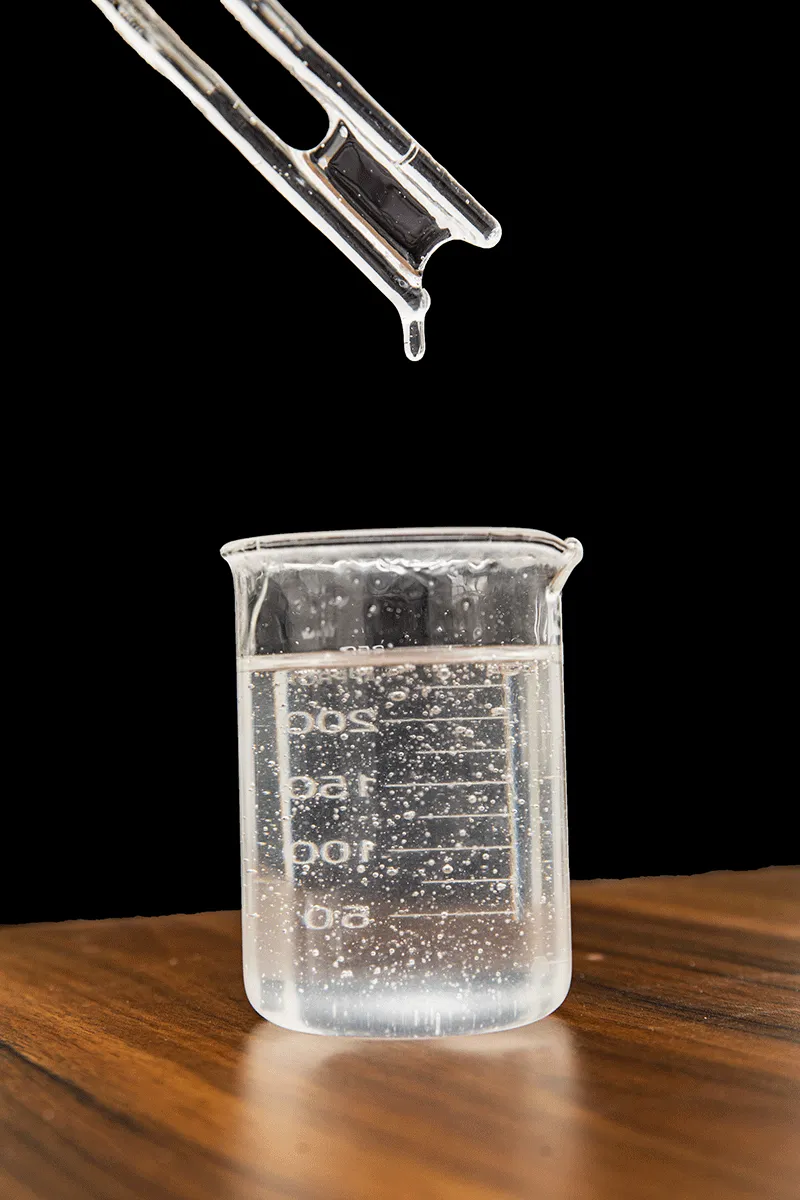
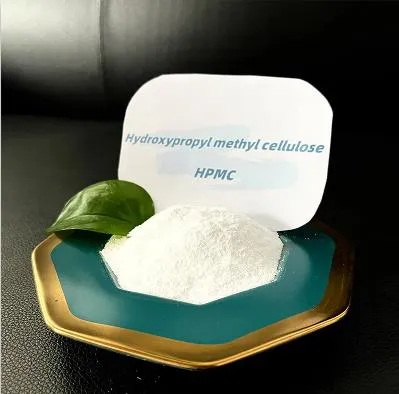
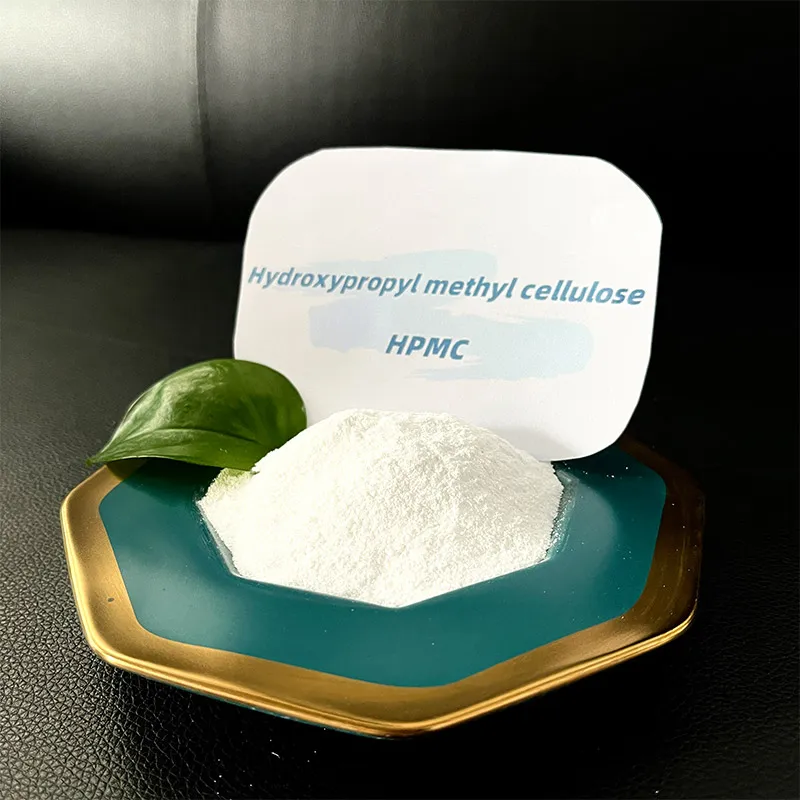
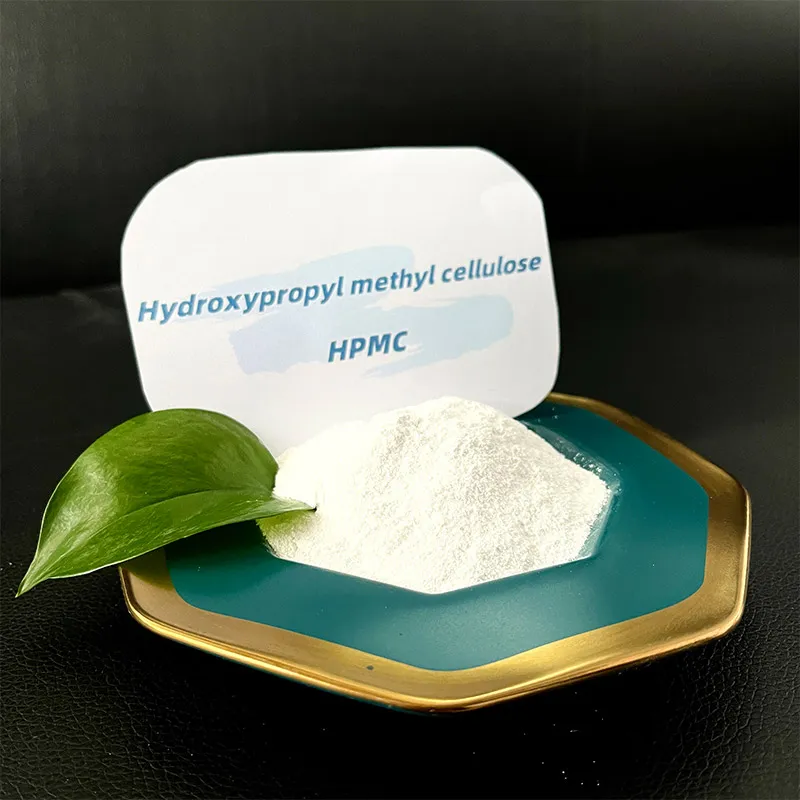
Hydroxypropyl Methylcellulose (HPMC) stands as an innovative polymer solution , lauded for its multifaceted applications across various industries. This versatile compound, classified under nonionic cellulose ethers, has emerged as a pivotal player in enhancing the functionality and performance of a plethora of products, from construction materials to pharmaceuticals, and even food and personal care items. Real-world applications of HPMC are a testament to its exceptional qualities. In the construction industry, it is integral in improving the properties of materials such as cement and gypsum. Contractors and engineers often highlight their personal experiences using HPMC as a reliable additive. Its functions in enhancing water retention, workability, and open time are well-documented, contributing to more efficient building processes and superior quality finishes. HPMC's ability to improve the texture and adhesion of construction components exemplifies its indispensable role in modern construction practices. From a professional standpoint, the pharmaceutical industry champions HPMC as a critical component in formulating controlled-release medications. Its non-toxic and biocompatible nature ensures safety and efficacy, forming an essential part of many oral and topical pharmaceuticals. Pharmacists and drug manufacturers praise HPMC for its ability to control the release profile of active ingredients, improving therapeutic outcomes and patient adherence. Additionally, its role in creating clear, stable suspensions in liquid medications underpins its professional endorsement. The authority of HPMC extends into the food industry, where it acts as a thickener, stabilizer, and emulsifier. Food scientists regularly emphasize its importance in maintaining the texture and consistency of processed foods. HPMC's heat-resistant properties make it ideal for improving food viscosity without altering taste or nutritional content, earning the trust of chefs and culinary professionals alike. Its use in gluten-free baking to enhance dough elasticity and maintain moisture serves as a perfect example of its authoritative position in food science. hydroxypropyl methylcellulose Trust in HPMC is further anchored by its regulatory approvals from agencies like the FDA and the EFSA. These endorsements underscore its safety and applicability in consumer products, fostering confidence among manufacturers and consumers. The transparency in its sourcing and manufacturing processes ensures that HPMC meets stringent quality standards, thus reinforcing its reliability and integrity. Beyond its technical benefits, HPMC is revered for its environmental friendliness. Professionals across various sectors increasingly acknowledge its sustainable production, which aligns with global movements towards greener manufacturing practices. Its biodegradability and derivation from natural cellulose enhance its appeal as an eco-conscious alternative to synthetic additives, further cementing HPMC as a preferred choice among environmentally aware businesses. The future potential of HPMC continues to expand as research and innovation unveil new possibilities and applications. Industries constantly seek improved formulations, and HPMC's adaptability to new demands speaks to its enduring relevance. As experts delve deeper into unlocking its untapped capabilities, it's clear that HPMC will remain a staple across multiple domains, continually shaping and enhancing industry standards. In conclusion, Hydroxypropyl Methylcellulose is more than just a versatile polymer; it's a cornerstone of contemporary product development and innovation. Its application breadth, coupled with authoritative endorsements and a robust track record of trust, makes HPMC a vital component in advancing industry practices and consumer products. As industries evolve, professionals and consumers alike can rely on HPMC to deliver quality, performance, and sustainability.
advantages
-

200000 Viscosities
Excellent product
We can produce pure products up to 200,000 viscosities
-

40000 tons
High yield
We don’t stop production all year round, and the annual output can reach 40,000 tons
-

24 hours
Quality service
We provide 24-hours online reception service, welcome to consult at any time
———— Inquiry Form
Schedule A services

-
 cellulose_in_wood
Oct . 25, 2025
When it comes to tile installation in high-moisture areas such as bathrooms, kitchens, and outdoor e -
 cellulose_of_wood
Oct . 25, 2025
Understanding Methyl Cellulose and Its Pricing Dynamics Methyl cellulose, a water-soluble polymer de -
 hydroxypropyl_methylcellulose_sa_mga_pampaganda
Oct . 25, 2025
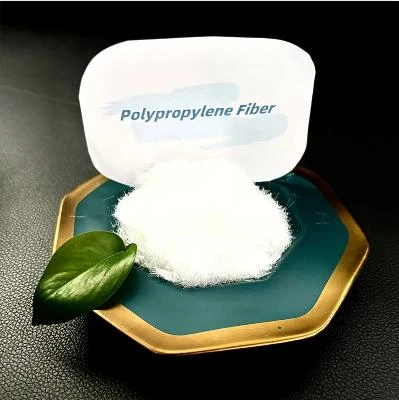
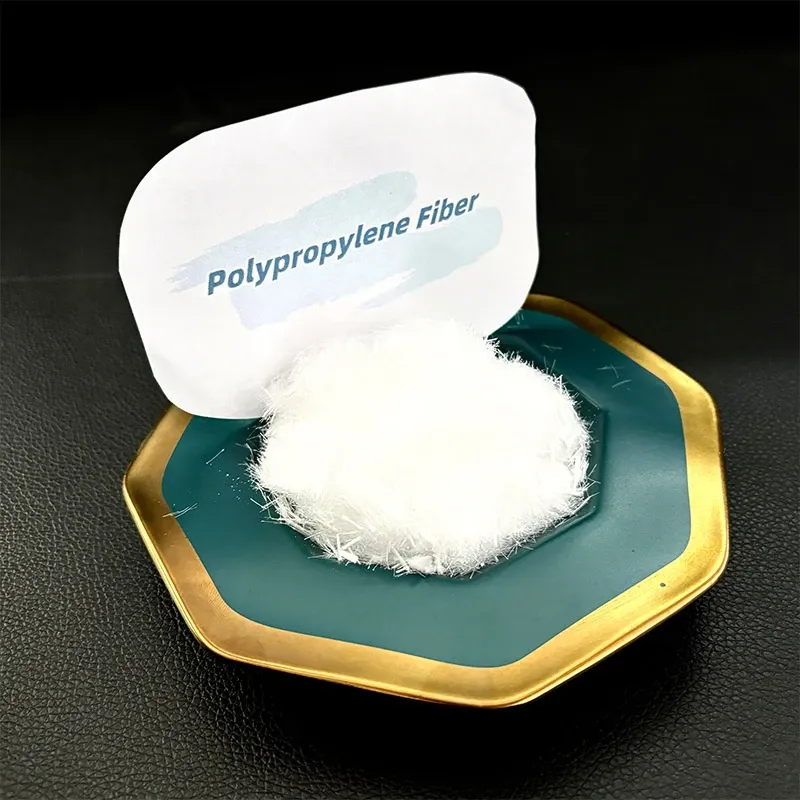
Polypropylene fiber, often referred to as PP fiber, is revolutionizing a multitude of industries wit


